Better Living Starts With Pest Control Services in Warren County
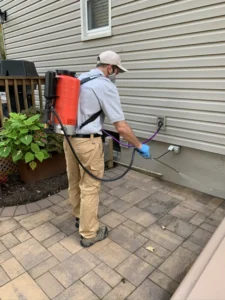
A comfortable home is not just about square footage, paint colors, or a tidy yard. It is also about what is not there. No scratching behind the walls at midnight. No trail of ants along the baseboard. No wasps building under the eaves where children play. No mice finding a warm place near the pantry when the weather turns cold.
That is where professional pest management changes daily life in a very practical way. Good pest control protects property, but it also protects sleep, routines, and peace of mind. In a place like Warren County, where seasonal changes bring different pest pressures throughout the year, that kind of protection is not a luxury. It is part of maintaining a healthy home and a functional business.
People often wait too long to call for help. They notice one roach in the kitchen, a little mud tubing along the foundation, or a few droppings in the garage and assume it can wait. Sometimes it can, for a week or two. Often it should not. Pests rarely improve on their own. They spread, breed, nest, and exploit the small vulnerabilities every property has. What starts as a nuisance can become structural damage, contamination, or a recurring cycle that costs far more to fix later.
Professional Pest Control Services Warren County residents rely on do more than eliminate visible pests. They identify entry points, moisture issues, habitat conditions, and patterns of activity that homeowners usually miss. That is the difference between spraying symptoms and solving the real problem.
Why Warren County homes and businesses face steady pest pressure
Warren County has the kind of environment that supports a broad range of pests. Warm months encourage ants, mosquitoes, stinging insects, and termites. Cooler weather pushes rodents indoors. Humidity, crawl spaces, mulch beds, wooded lots, and older construction all create opportunities.
A technician who has spent years working local properties sees recurring themes. Homes with heavy tree cover often deal with carpenter ants and moisture problems. Properties near fields or open land see mice as temperatures drop. Restaurants and retail spaces struggle with the constant challenge of keeping food, cardboard, dumpsters, and delivery traffic from creating conditions pests love. Apartment buildings bring another layer of complexity because one neglected unit can affect neighboring ones.
This is why local experience matters. Pest activity is not generic. It shifts with weather, building style, sanitation habits, and even landscaping choices. A good service provider does not arrive with a one size fits all treatment plan. They assess what kind of structure they are dealing with, what pest pressures are common in that part of the county, and what conditions are driving the infestation.
That assessment matters more than many people realize. Two homes can both have ant problems, for example, and need very different solutions. One may have a moisture issue behind siding. The other may have colonies nesting under stone edging and entering through tiny foundation gaps. If both get the same treatment, one may improve while the other continues to struggle.
The hidden cost of waiting
Pest problems are often expensive in ways people do not see right away. A family might notice a few mice and think mostly about the inconvenience. The bigger issue is what mice leave behind. They chew wiring, contaminate pantry items, soil insulation, and reproduce quickly. If a pair gets comfortable inside, that problem can scale fast.
Termites are even more deceptive. Most homeowners do not see active feeding. They see a blistered patch of trim, a sagging area near a window, or a door frame that feels odd. By the time there is visible evidence, the colony may have been working for quite a while. Termite damage does not usually happen in a dramatic burst. It happens quietly, which is exactly why inspections and early intervention matter.
Cockroaches bring a different kind of risk. In homes and commercial kitchens, they can contaminate surfaces and trigger allergies, especially in children and sensitive adults. Bed bugs are not known for spreading disease, but they can disrupt sleep, create stress, and prove extremely difficult to eliminate without a disciplined treatment plan. Wasps can turn an outdoor space into a no go zone, particularly for anyone with a sting allergy.
The real cost, then, is a mix of repair bills, replacement costs, time lost, stress, and the nagging feeling that your space is no longer fully under your control.
What professional pest control actually looks like
Many people still picture pest control as someone walking in with a sprayer, treating a few corners, and leaving. That image is outdated. Effective modern service is much more investigative.
A strong technician starts by asking pointed questions. Where have you seen activity, and when? Has it changed with the weather? Are there pets, children, storage areas, crawl spaces, recent leaks, or nearby construction? These details matter because pests follow patterns. Good pest control work is part inspection, part building science, and part behavior analysis.
Then comes the physical review of the property. Entry points around utility lines, door sweeps, attic vents, window trim, garage thresholds, plumbing penetrations, and foundation cracks all deserve attention. So do moisture conditions. Damp wood, poor drainage, clogged gutters, and condensation issues can sustain infestations even after initial treatment.
Treatment itself may involve targeted products, baiting systems, exclusion work, monitoring, habitat reduction, or follow up visits. The exact mix depends on the pest and the severity of the issue. Broad, unnecessary chemical use is not a sign of quality. Precision is. The best results usually come from combining measured treatment with practical corrections to the environment.
That is why good providers spend time educating clients. If a homeowner keeps stacked firewood against the siding or leaves pet food out overnight in the garage, the problem may return no matter how well the first treatment works. Pest control is most effective when service and client habits support each other.
The pests that most often disrupt daily life
Not every pest creates the same kind of problem. Some damage structures. Some threaten food safety. Some mostly create fear and frustration. Understanding the distinction helps property owners make better decisions.
Ants are common and deceptively persistent. A few on the counter may represent thousands hidden in wall voids, mulch, or under slabs. Rodents create urgent sanitation and safety concerns. Termites demand immediate attention because the damage can become serious before it is obvious. Spiders are often more unsettling than dangerous, but heavy spider activity can indicate a larger insect population nearby. Stinging insects become a serious quality of life issue when nests appear around patios, doors, play areas, or rooflines.
Bed bugs deserve a special mention because they cause a unique kind of stress. People often feel embarrassed about them, but bed bugs are not a sign of poor housekeeping. They are hitchhikers. They come in on luggage, used furniture, clothing, and sometimes on visitors. What matters is responding quickly and following a disciplined treatment process.
For businesses, especially those involving food, lodging, healthcare, or high public traffic, the stakes are even higher. A single pest sighting can damage reputation and trigger inspections or complaints that are hard to undo.
Signs it is time to call a professional
Some pest issues can be monitored briefly, but certain warning signs should move a call to the top of the list. These are the situations technicians see again and again when a problem is already larger than the customer realized.
- Droppings, grease marks, or gnawing in kitchens, pantries, garages, or utility areas
- Mud tubes, hollow sounding wood, or swarming insects near windows and exterior walls
- Repeated ant or roach activity after store bought sprays or traps have already been used
- Buzzing inside walls, visible nests near entryways, or increased wasp activity around eaves
- Musty odors, shed skins, bites, or staining associated with hidden insect activity
What matters is not only what you see, but how often you see it. One stray ant after a storm may not mean much. A line of ants that returns every morning despite cleaning is a different story. A single mouse in a detached shed is not ideal, but recurring signs inside the house deserve immediate attention.
Why store bought products often disappoint
It is easy to understand why homeowners start with retail products. They are accessible, inexpensive at first glance, and marketed with confidence. Sometimes they do help with very minor issues. More often, they create a false sense of progress.
The main problem is that consumer products usually treat the visible edge of the infestation, not the source. Killing the ants on the counter does not eliminate the colony in the wall void or under the walkway. Spraying a roach you can see does not solve the egg cases hidden nearby. Setting a few traps in the garage may catch one or two mice while others keep entering through a gap under the siding.
Misuse can make things worse. Some pests scatter when exposed to the wrong treatment. Others avoid poorly placed bait. Overapplication can also create unnecessary exposure without better results. Professionals are not just using different materials. They are using them with a strategy, in the right places, at the right intervals, with an understanding of how the target pest behaves.
There is also the issue of identification. People often guess wrong. What seems like a termite may be a flying ant. What seems like random beetles may point to a stored product issue in the pantry or pet food area. If the pest is misidentified, the treatment plan is flawed from the beginning.
Seasonal patterns that shape pest control in Warren County
Pest activity in Warren County is not static. It evolves with the calendar, and that matters for both prevention and treatment.
Spring tends to wake everything up. Ants begin foraging, termite swarmers may appear, and stinging insects start scouting nest sites. This is also the time when moisture problems around the exterior become obvious after heavy rain. Small issues discovered in spring are often much easier to manage than the same issues left to develop through summer.
Summer brings high insect pressure. Mosquitoes, wasps, ants, and occasional invaders all thrive. Outdoor living makes people more aware of pest problems, and for good reason. A patio is not very useful if yellow jackets claim the nearby overhang. Restaurants, event venues, and hospitality properties feel this pressure acutely because customer comfort is directly tied to business performance.
Fall is the season when rodents start testing structures for warmth and food. Technicians often see a Pest Control Services Warren County rush of calls after the first real temperature drop. Mice do not need a large opening. A gap that seems too small to matter often matters a great deal.
Winter is quieter on the surface, but interior issues become more noticeable. Rodents remain active, cockroaches persist in warm environments, and any unresolved entry points continue to matter. It is also a useful time for planning exclusions, crawl space improvements, and preventive work before spring returns.
What homeowners can do between service visits
Professional care works best when the property itself is less inviting to pests. That does not mean every home must be immaculate. It does mean certain habits and maintenance choices can reduce pressure significantly.
- Keep tree limbs, dense shrubs, and stacked materials from pressing tightly against the structure
- Repair leaks promptly and correct drainage issues that keep soil or wood damp
- Store pantry goods and pet food in sealed containers where practical
- Replace damaged door sweeps, torn screens, and loose weather stripping
- Reduce clutter in basements, garages, and utility spaces where pests hide easily
These are not glamorous tasks, but they matter. Exclusion and moisture control are two of the most underrated parts of long term pest prevention. A homeowner may spend hundreds on repeated treatments while ignoring a gutter issue that keeps the same corner of the house wet all season. A simple repair can change the pest equation dramatically.
Choosing a service provider with sound judgment
Not all pest control companies work the same way, and not every problem needs the most aggressive answer. The best providers tend to share a few qualities. They inspect before they prescribe. They explain what they found in plain language. They distinguish between urgent problems and manageable ones. They do not overpromise, and they do not disappear after the first visit if follow up is needed.
Communication matters more than flashy marketing. If a technician can show you where pests are entering, explain why they are active, and outline what success should look like over the next few weeks, that is a strong sign. If the conversation is vague, rushed, or purely focused on selling a recurring plan without addressing the actual site conditions, it is worth asking harder questions.
It is also smart to ask how they approach children, pets, sensitive areas, and integrated prevention. The answer should be specific. Thoughtful providers understand that treatment is only one part of the solution. Exclusion, sanitation guidance, monitoring, and expectation setting are part of the job too.
For businesses, documentation and consistency become especially important. A restaurant manager or property manager needs records, clear recommendations, and predictable follow through. In those settings, pest control is not just a service call. It is part of operational risk management.
The quality of life factor people often overlook
Most people call because they want pests gone. Fair enough. But after the problem is handled, what they talk about is often more personal. They talk about sleeping better. Letting the kids play outside again. Opening the pantry without bracing for surprise. Hosting guests without embarrassment. Running a business without worrying what a customer might see.
That is why the phrase Better Living is not exaggeration. A pest free environment changes how a space feels. You use it differently. You trust it again. That matters whether you own a single family home, manage rental units, or operate a storefront.
I have seen homeowners put off service because they did not want to deal with the hassle, only to say afterward that they wish they had called months earlier. The relief is immediate when the scratching stops, the bites stop, or the swarmers do not return. The practical gains are obvious, but the emotional gains are real too.
A smart investment, not just a reactive expense
The most effective approach to pest control is rarely purely reactive. Emergency calls have their place, especially with rodents, termites, roaches, bed bugs, or stinging insects near active areas. But preventive service often costs less over time than repeated crisis response.
Routine inspections catch conditions early. Exterior treatments can reduce seasonal pressure before it becomes interior activity. Monitoring helps identify recurring vulnerabilities. Small exclusions done at the right time can prevent much larger headaches later.
That does not mean every property needs the same schedule or program. A newer townhome with minimal pest pressure may need far less intervention than an older house with a crawl space and heavy tree cover. A bakery, daycare, or multi unit property has its own risk profile entirely. The point is not to overservice. It is to match the plan to the property and the actual exposure.
When people search for Pest Control Services Warren County, they are often thinking about one immediate problem. The better perspective is broader. They are really looking for a way to protect their home, preserve their property, and make day to day life more comfortable.
And that is exactly what strong pest control should deliver. Not panic, not guesswork, not temporary relief, but a clear, practical path back to a cleaner, calmer, more livable space.
Affordable Pest Solutions LLC
Budd Lake, NJ 07828 (service-area business)
Serving Warren, Morris and Sussex Counties, New Jersey
Phone: +1 973-229-9547
FAQ About Pest Control Services Warren County
How much does pest control cost in NJ?
The cost depends on the pest, the size of the property, the extent of activity and whether follow-up visits are needed. Ask for an inspection and a written estimate that explains the treatment scope and any ongoing service charges. Affordable Pest Solutions offers free estimates for properties in its service area.
What are the most common household bugs in New Jersey?
Ants, cockroaches, stink bugs and spiders are among the pests that residents may encounter in New Jersey homes. Activity varies by season, moisture conditions and available entry points. Correct identification helps determine whether exclusion, sanitation, monitoring or professional treatment is appropriate.
What kind of bugs infest homes?
Ants, cockroaches and termites can establish persistent activity in or around homes. The signs and appropriate response differ by pest: trails, droppings, shed wings or damaged wood may warrant closer inspection. A pest professional can identify the cause and recommend a plan suited to the property.